
Bretherton’s Current Energy Use And Cost
Bretherton’s Current Energy Use and Cost

As Bretherton moves towards low-carbon energy, more homes will transition to electric heat pumps instead of gas, oil, or solid fuels, and more vehicles will transition from diesel or petrol to electric.
For these reasons, Bretherton’s annual electricity consumption could more than triple, rising from around 756,000 kWh per year to approximately 3.4 million kWh per year as heating, transport, and other systems become electrified.
As part of the Neighbourhood Planning process, the Parish Council recently asked residents about the environment and their energy use.


96% were worried about climate change.
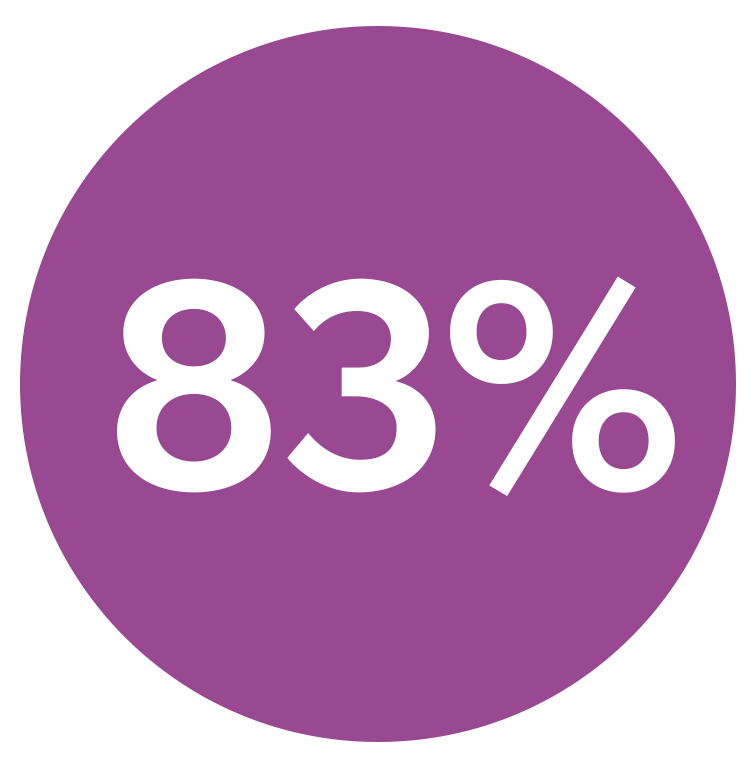
83% were worried about keeping their homes safe from bad weather.

97% were worried about the rising cost of fuel.

79% would support exploring options for a locally owned and locally produced energy supply.
Views on the Future of Energy
92%
92% would support exploring renewable energy projects that could be viably developed by and for the benefit of the whole community.
79%
79% would support exploring options for a locally owned or locally produced energy supply.
The Climate Emergency

Our planet is getting hotter. Every decade since the 1980s has been warmer than the last. Twenty of the warmest years on record have occurred in the last 22 years, and the seven warmest have all occurred since 2015. The three hottest years on record are 2016, 2019, and 2020.

Global temperatures are now more than 1°C above pre-industrial levels. Human-made greenhouse gas emissions continue to rise. Climate change has global impacts and will create profound challenges for health, economies, food security, flooding, and migration in the coming decades.

Emergency action is required to reach net-zero emissions by mid-century and keep global warming within safe limits. To limit warming to 1.5–2°C, emissions must fall to net-zero globally by around 2050. Without this, warming of 2–3°C or more by 2100 is likely.
Progress Is Being Made
The commitment made in the Paris Agreement (2015) to “keep 1.5°C alive” was strengthened at COP26 in Glasgow (2021). Net-zero pledges now cover more than 90 per cent of global GDP and almost all global emissions.
More than 30 countries and six major car manufacturers have agreed that all new cars and vans sold worldwide by 2040, and in leading markets by 2035, will have zero emissions.
Over 450 institutions, representing more than $130 trillion in private assets, have committed to reaching net-zero targets.

In the UK, half of all electricity now comes from low-carbon sources. Electric vehicles and improved public transport are expanding, although these require time, investment, and social change.
The benefits include warm and healthy homes, affordable energy, clean air, and green local jobs.
The proposed Bretherton Energy Partnership is about residents and local businesses working together to support the transition from carbon-based power to locally sourced renewable energy.